AI Engineer Singapore and the itch to build a personal agent
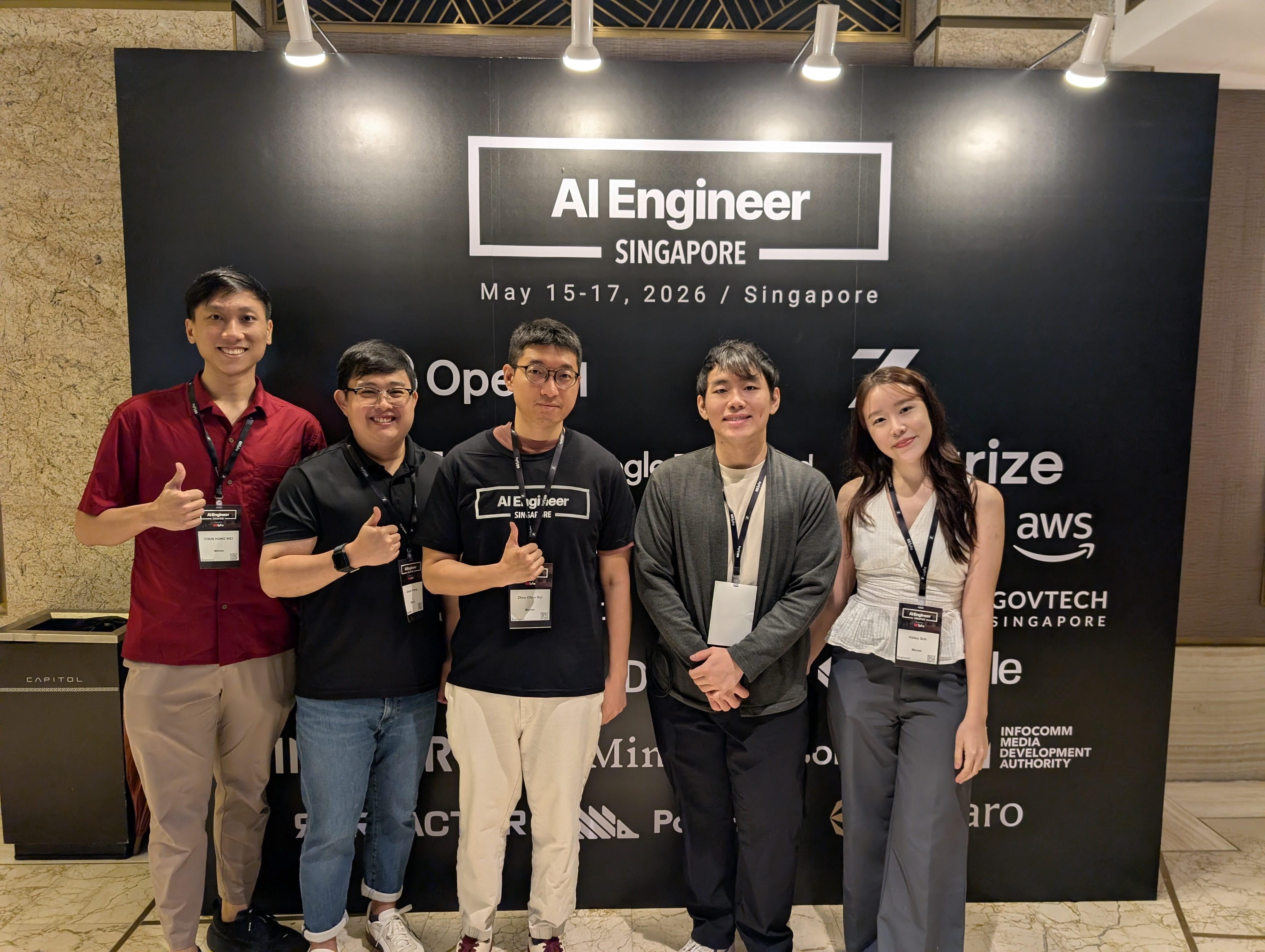
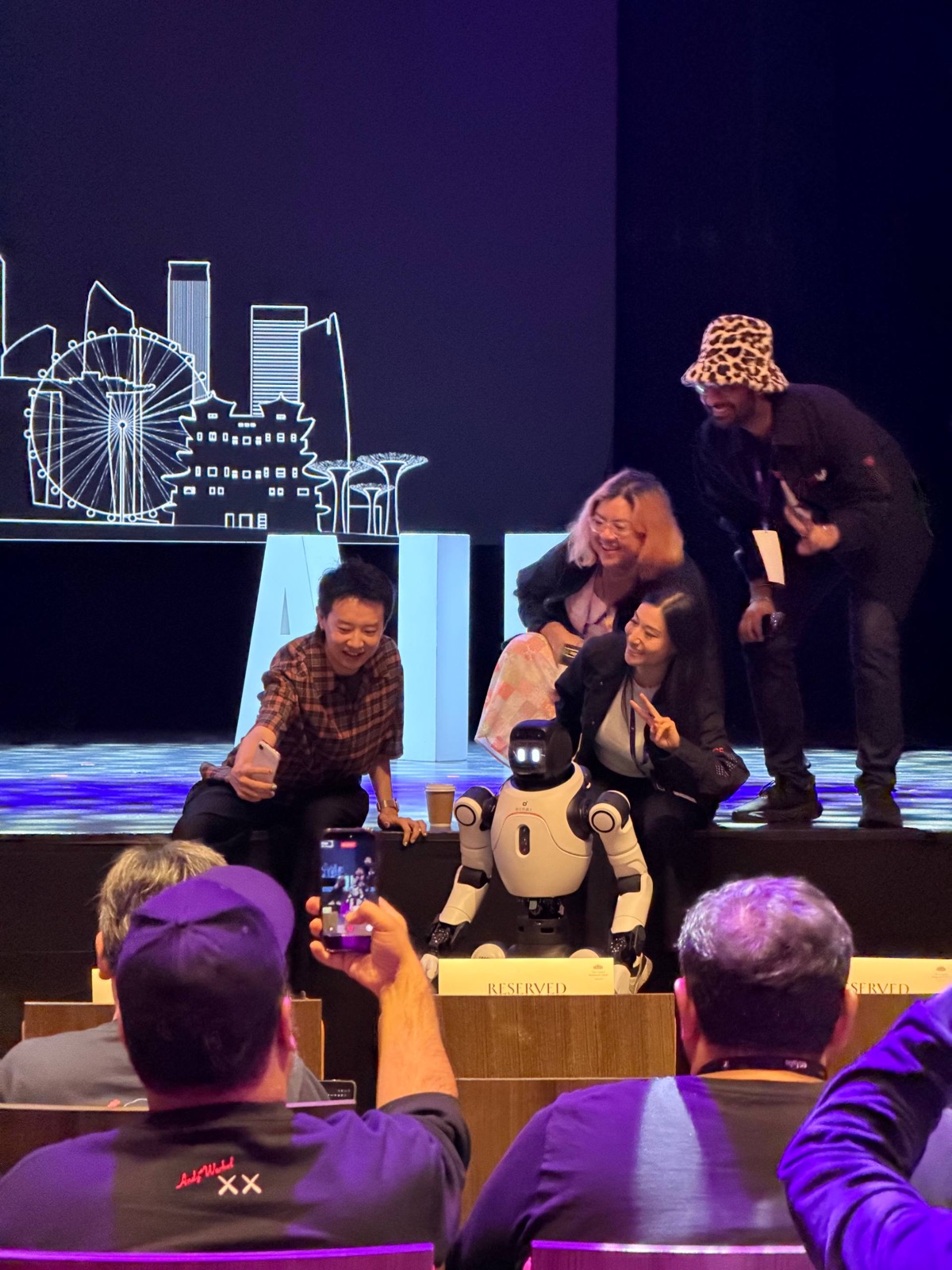
Over the past weekend, I attended AI Engineer Singapore, and it gave me that very specific kind of excitement where the industry suddenly feels close and moving very quickly. The conference brought together people building agents, tools, robotics workflows, evaluations, and the less glamorous but important infrastructure needed to make all of this work outside a demo.
What I enjoyed most was seeing how many people are no longer talking about AI as a single chat box. The interesting work is moving toward systems: agents that use tools, workflows that can be evaluated, interfaces that are designed around human intent, and small devices that can become useful once connected to the right model and permissions.
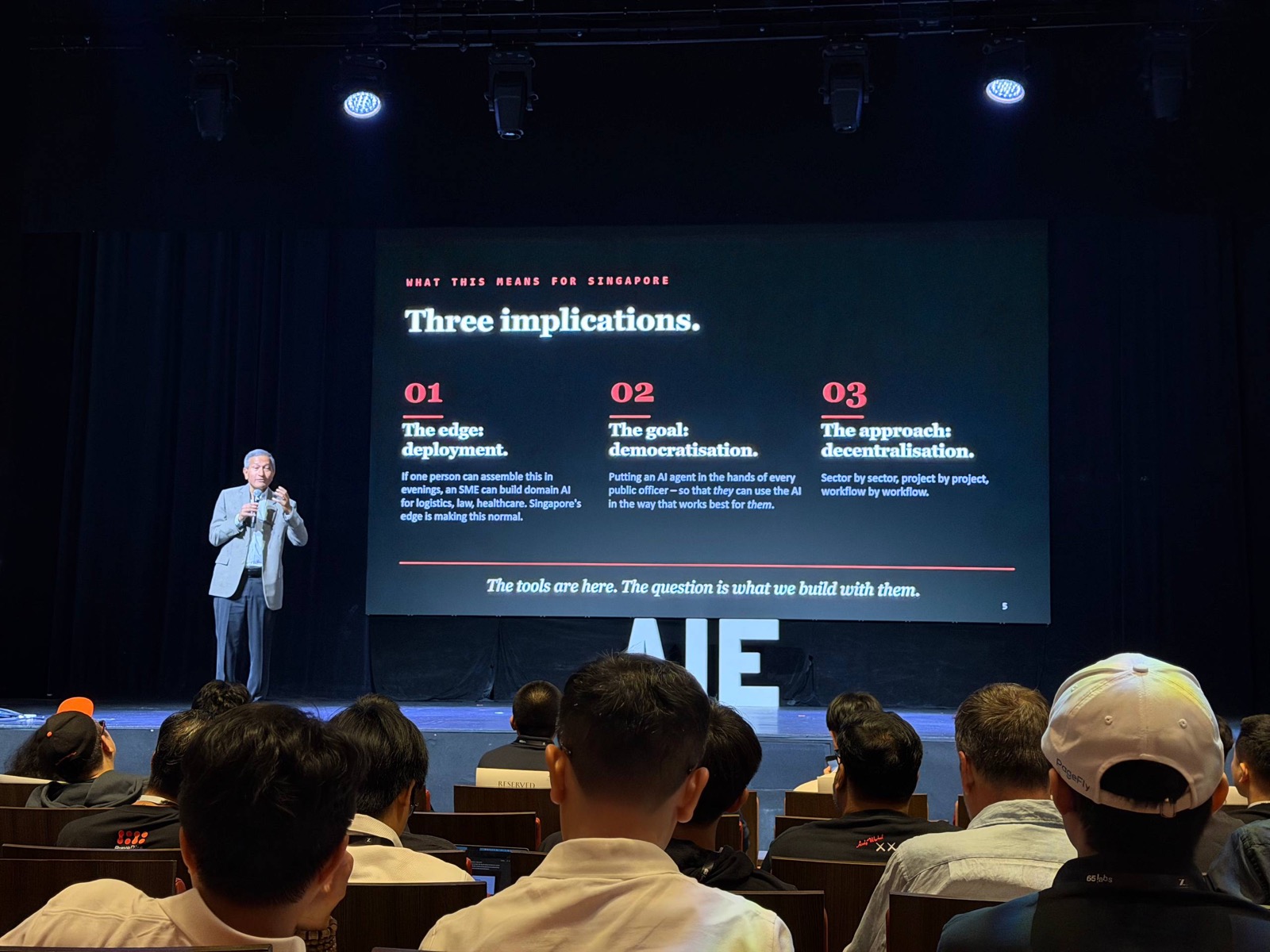
One idea that has been stuck in my head is setting up a Raspberry Pi 5 running OpenClaw as a small personal agent box. The idea is similar in spirit to the edge-deployment and decentralisation points Dr Vivian Balakrishnan spoke about: if the tools are here, what can we build with them in a way that is useful and close to our own workflow?
My rough version would use Featherless as the model API because its subscription model gives unlimited monthly requests at a fixed price, subject to the plan's concurrency limits. That feels attractive for a personal assistant because the mental cost of every token adds friction. I want the system to be something I can talk to casually through Telegram without thinking too much about whether a summary or research task is going to burn through credits.
The first useful version in my head is not very fancy:
- Message it through Telegram when I need a quick task done.
- Let it access and summarize my emails when I ask for a digest.
- Give it simple research tasks that require browser or UI interactions.
- Keep credentials, tokens, and passwords managed properly instead of hardcoding secrets into scripts.
The password and token part is probably the least flashy but most important. A personal agent with email access and UI control cannot be treated like a toy script. I would want secrets kept in a proper vault or environment-managed setup, narrow scopes for each integration, and some approval step before it does anything sensitive. The agent should be helpful, but it should also be slightly boring in the places where boring is safer.
I came out of the conference with the same feeling I had when I first started building small software tools: there are suddenly too many things that feel possible. That is a nice problem to have. The next step is to make one small version work, even if it only summarizes email and does a simple research task badly at first.